Cause of Death: Unknown, the debut feature by Ali Zarnegar, is a symbolic and introspective work set within the stark confines of a desert world. This road movie follows a group of travelers journeying from Shahdad to Kerman, whose trip takes a sudden and unsettling turn when one of their companions mysteriously dies. The deceased — a stranger carrying a large amount of U.S. dollars — leaves the group facing a profound moral and social dilemma, testing their conscience against the vast silence of the desert.
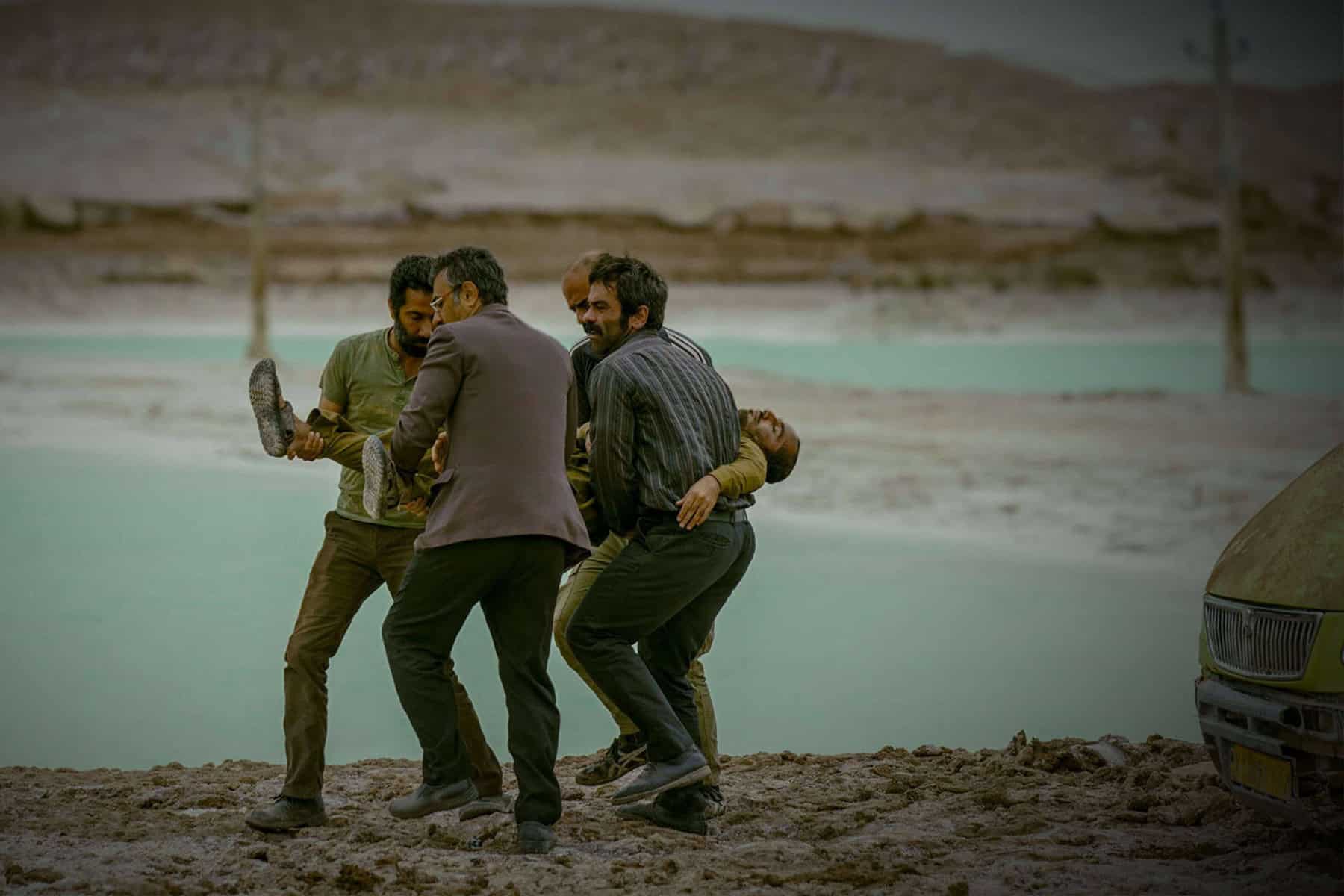
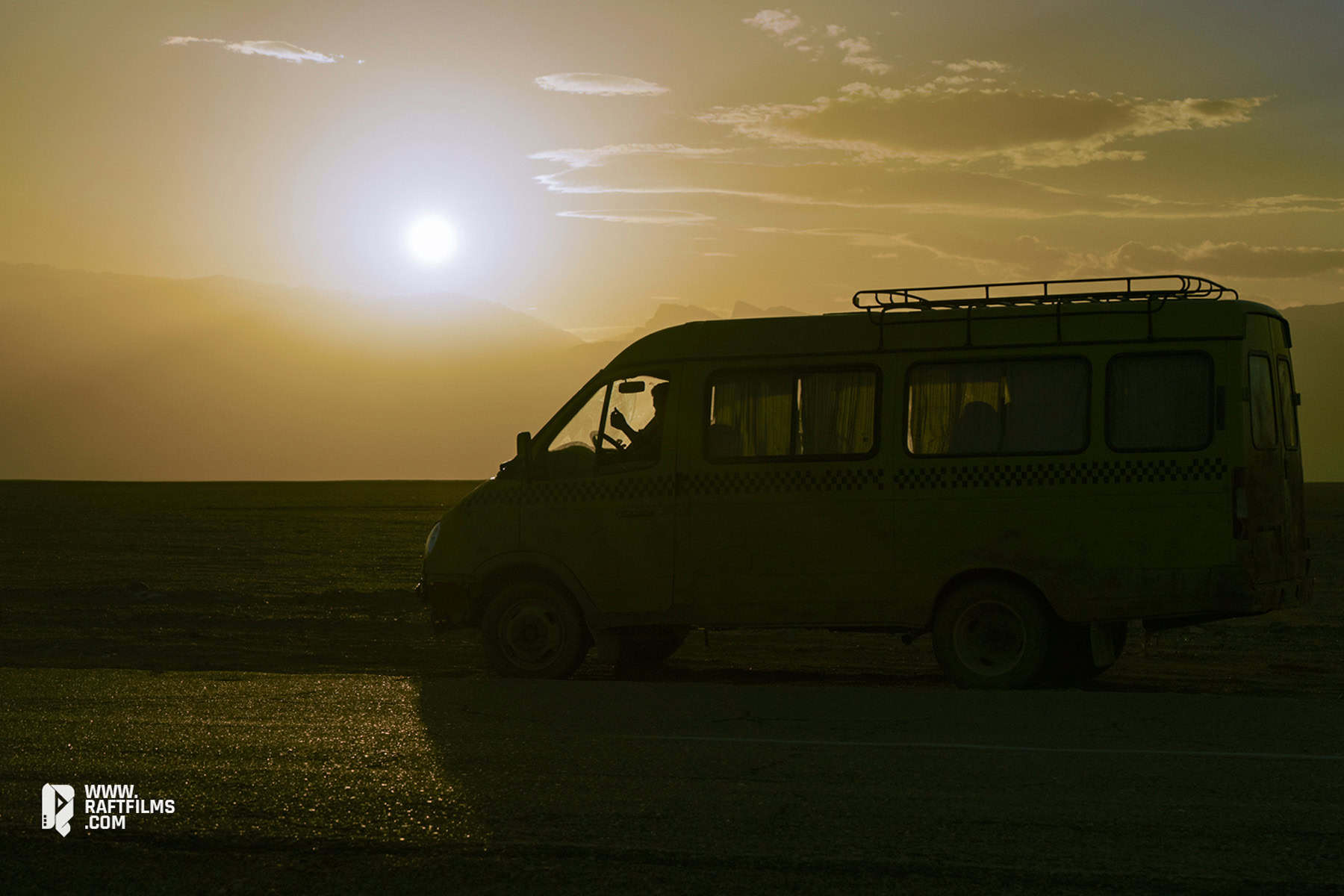
Along the scorching desert road, the van suddenly comes to a halt. After a tense group decision, the passengers are forced to bury the dead traveler behind a dry, barren embankment — an act that becomes the film’s emotional and narrative turning point. Suspense begins to build when a highway police patrol grows suspicious of the group, questioning each passenger with probing, uncomfortable precision.
In Cause of Death: Unknown, a quiet psychological standoff unfolds in the heart of the desert. Anxiety and guilt flicker across the travelers’ faces as a police officer, unwilling to leave, scours for any sign that might justify further interrogation. Yet when his persistence turns up nothing — the passengers frozen like stones — he finally lets them go, without even conducting a body search. The sequence, masterfully staged and sustained by a near-suffocating tension, stands as one of the film’s most gripping moments.
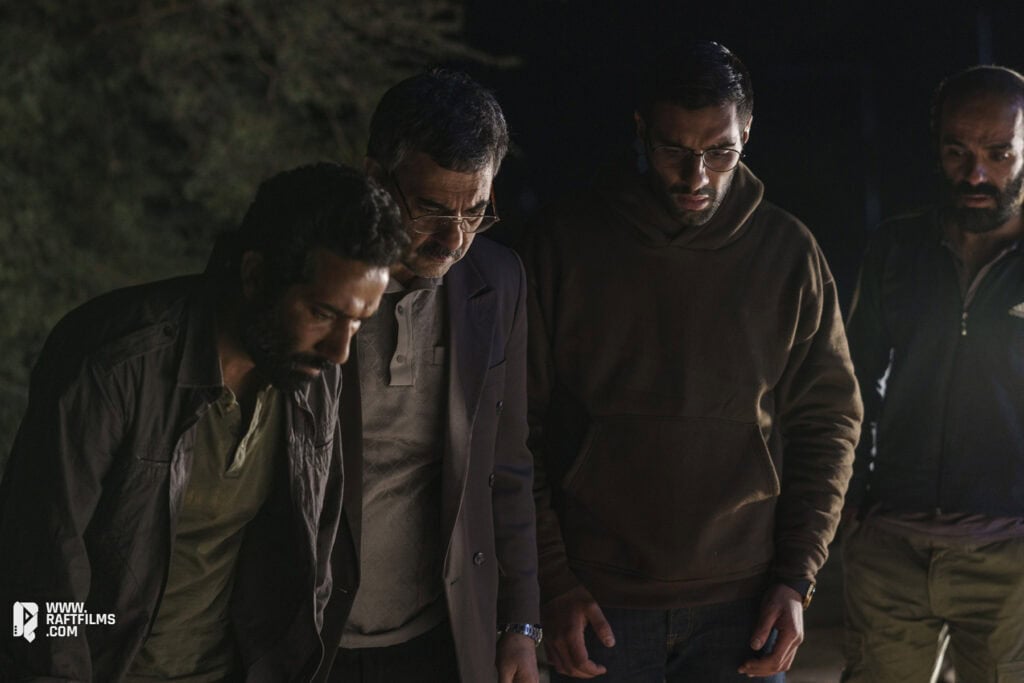
The encounter leaves a lasting scar on the group. While two young students — a boy and a girl who often speak of emigrating to Turkey — are absent from the scene, those remaining are left with a deep sense of guilt and unease. Their silence after the officer’s departure becomes a haunting tableau of conscience under strain, where the weight of one irreversible choice suppresses every unspoken word.
Banipal Shoomon, a seasoned actor, delivers a commanding and deeply grounded performance — the ideal presence for this sun-baked desert drama. His portrayal is marked by realism and quiet intensity; not a single frame weakens the power of his stillness, even when he stands alone before the camera.
In the film’s final sequence, Shoomon’s confrontation with the solitary woman — her mouth slightly open, her eyes fixed in patient despair — turns into a wordless trial of guilt. The man who once held the dollars and the power now faces the ruin born of his own moral choices. Shoomon’s face conveys both defeat and compassion, transforming remorse into a silent confession. Around him, the other travelers appear equally consumed by their own reckoning, drawn into an emotional collapse laid bare beneath the boundless, indifferent desert sky.