In a cinematic landscape starved for risk and originality, where familiar faces and formulaic narratives often eclipse genuine human drama, Cause of Death: Unknown arrives as a quiet revelation.
This gripping, character-driven drama draws its tension not from genre mechanics but from the pulse of ordinary life — from the delicate threads that bind and unravel human relationships in a society where the line between redemption and ruin can vanish in a single step. That step lies between a young pregnant wife and the child of a Baluchi man, and those who moments earlier believed they had escaped the purgatory of the desert — shedding guilt in pursuit of peace.
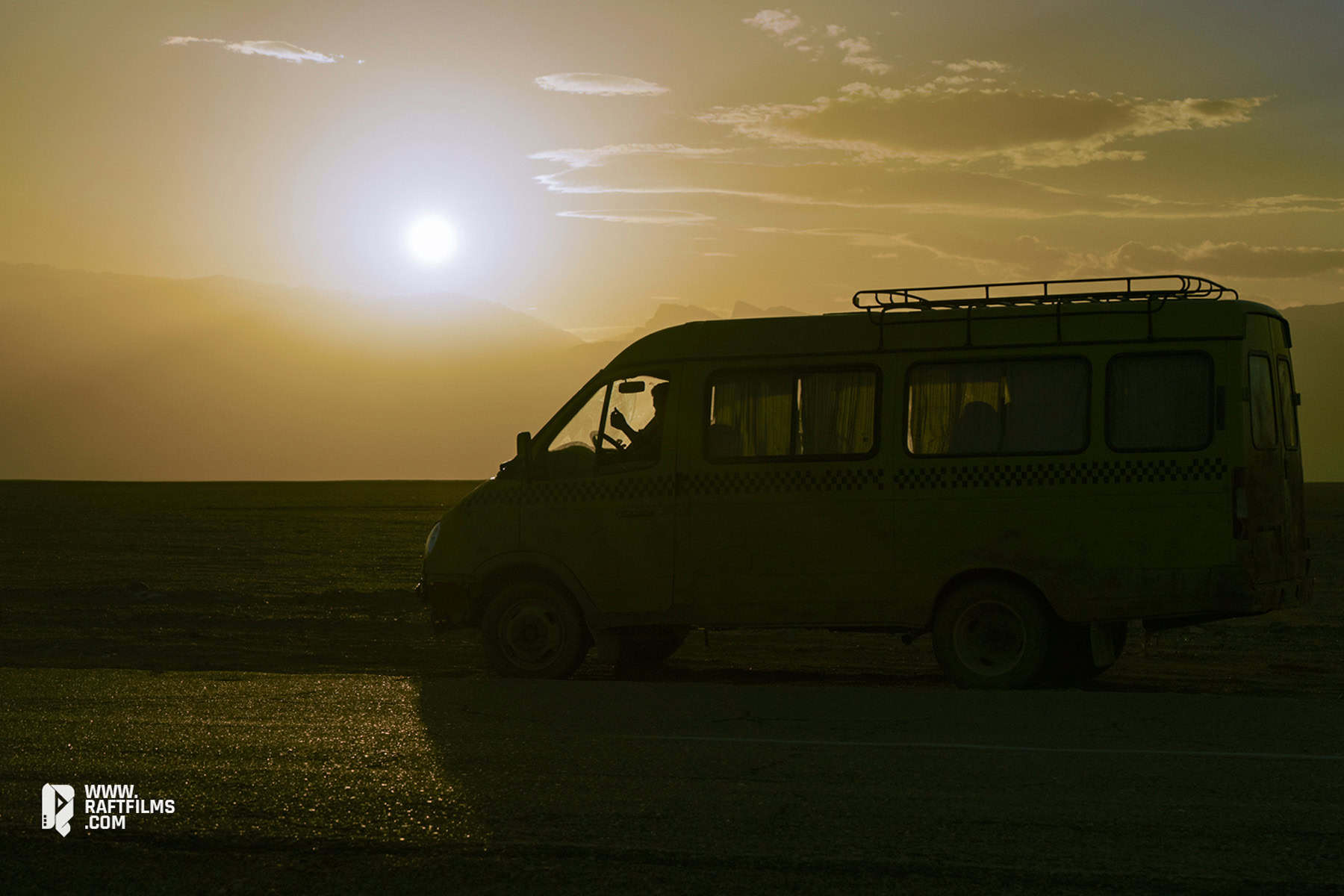
Cause of Death: Unknown opens with a setup that feels instantly recognizable — a handful of strangers bound by circumstance, traveling together within the tight frame of time and space. But the film quickly slips free of that familiarity. Through its precisely crafted characters and a narrative that unfolds with deliberate, lived-in detail, it refuses to let the audience anticipate the filmmaker’s next move.
With the exception of a young couple in love, the travelers remain unnamed — and that anonymity feels essential. Who they were before this journey is irrelevant; what matters is what the road reveals. In a few restrained lines of dialogue, a nervous glance, or a moment of silence, each figure emerges with quiet clarity: the man from Pakdasht (Alireza Sanifar); the ex-convict pursuing one last chance out of loyalty to a friend (Banipal Shoomoon); the weary driver and the young woman whose shared disappointments have built an invisible wall between them.
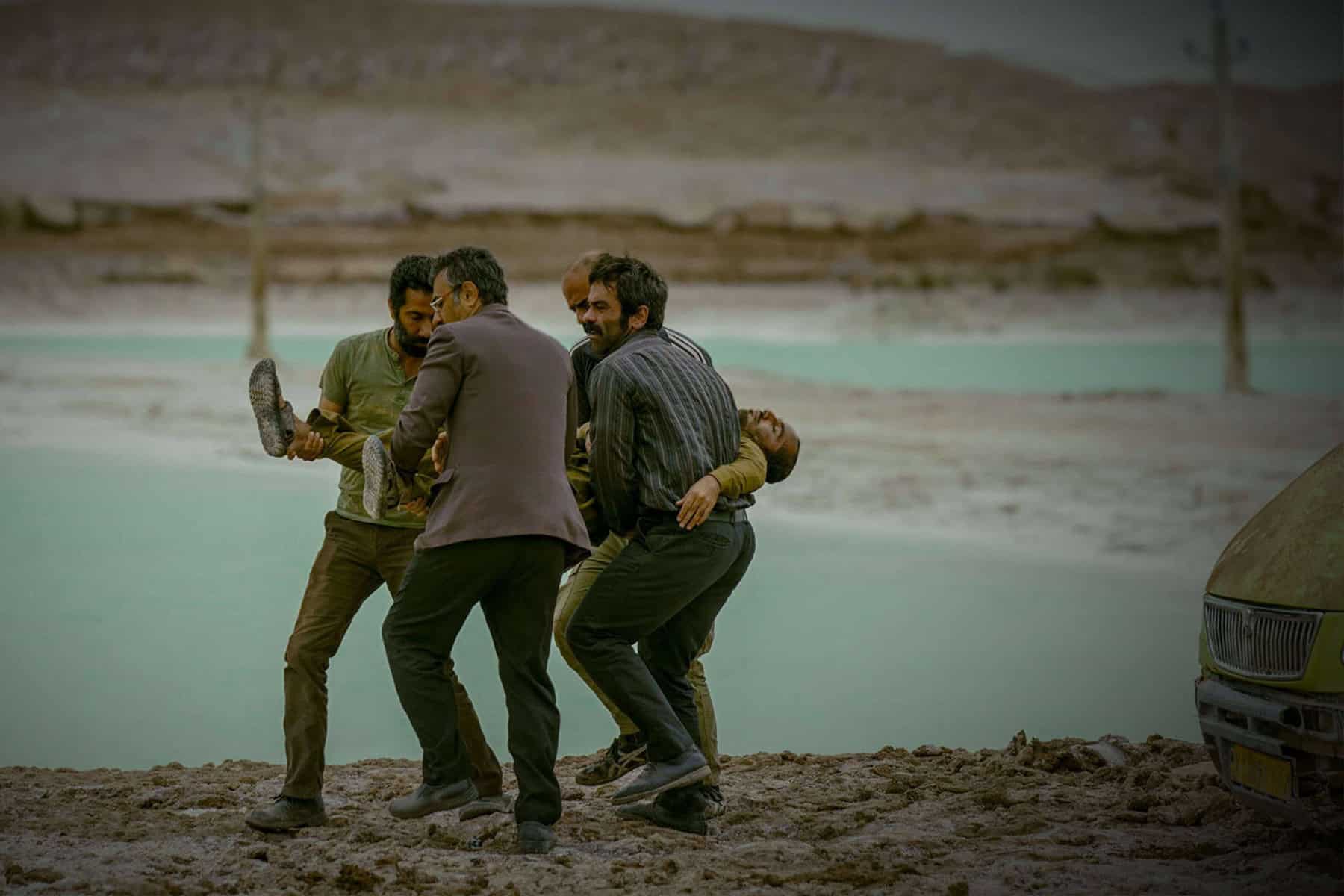
In one of the film’s most delicate moments, the driver stands just behind the young woman, confiding in her — a quiet tableau of restraint and unspoken longing. Later, as the Baluchi man is buried, the camera lingers on the faces of the released prisoner and the man caring for his ailing wife (Sanifar, again). Their grief and moral unease flicker across the frame: men torn between sorrow and temptation, their eyes betraying both guilt and desire as they hesitate before the grave where money lies hidden beneath the earth.
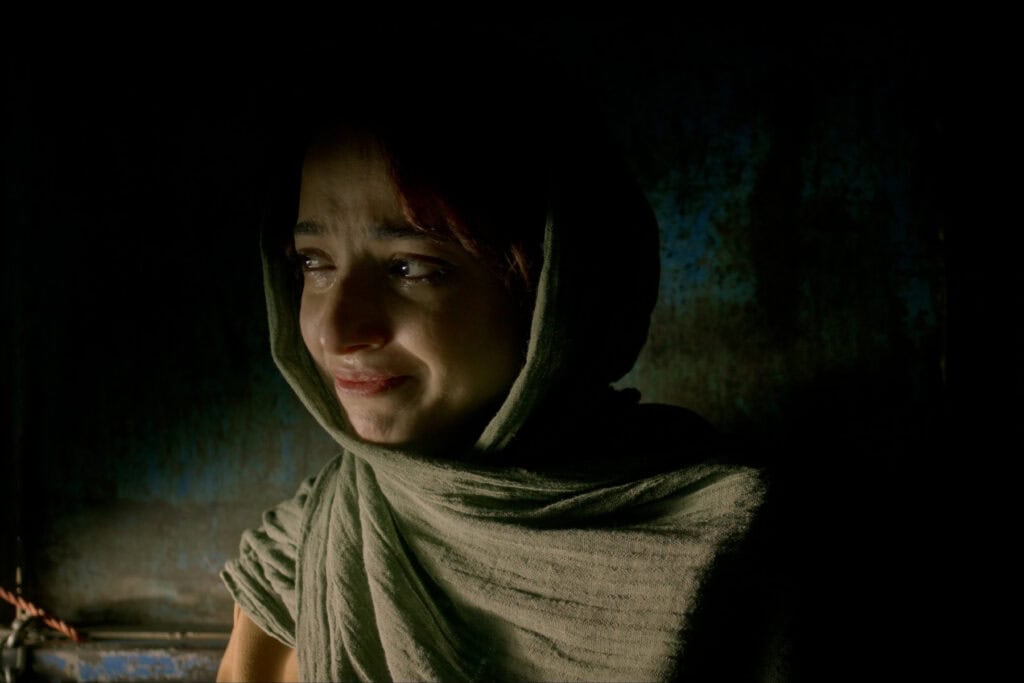
Two women accompany this otherwise male-driven odyssey, which begins under an ominous night sky — a tone set early by the film’s haunting sound design and foreboding score. Each woman embodies a different expression of love and innocence. Bahar, rejected by Peyman, drifts through the film like an echo of lost affection, while the deaf girl — burdened yet uncorrupted — rejects the lure of easy money in an act of quiet defiance. Completing the circle is the Baluchi woman: waiting, pregnant, and alone. The filmmaker’s still frame on her face becomes a requiem — the convergence point of all fates, where the stories of the dead, the guilty, and the innocent dissolve into one collective sorrow. In this desolate moral landscape, no one escapes the orbit of destiny or the repetition of loss.
Ali Zarnegar’s Cause of Death: Unknown stands as a quietly defiant act of independent filmmaking — financed outside the state system, produced on a modest budget, yet never defined or diminished by its limitations. The film’s strength lies in its casting and finely tuned performances. Banipal Shoomoon delivers one of his most contained and introspective turns to date — a study in restraint that trades visible emotion for buried tension. Alireza Sanifar, long a dependable but undervalued presence, grounds the narrative with quiet authority. Around them, the lesser-known performers, particularly the young couple, lend the film a lived-in authenticity through their regional inflections and unaffected naturalism. Even the desert — stark, wind-scoured, and devoid of postcard romanticism — becomes a character of its own: austere, unadorned, and deeply human.
Much has already been written about Ali Zarnegar’s remarkable feature — about its eloquent silences, its watchful glances, and the shards of dialogue that continue to echo long after the final frame fades to black. Yet among its many indelible moments, the farewell between Bahar and Peyman rises to the film’s emotional summit — a parting suffused with both sorrow and grace, as if joy and grief were two inseparable threads in the tapestry of their fate.
Just when it seems the two are on the verge of entering a new world, Peyman speaks of separation — his eyes fixed on Bahar with helpless devotion. Neda Jebreili conveys the solitude of a woman in that instant entirely through her gaze; her face slowly drains of song, warmth, and light, sinking into a quiet abyss of loneliness and dread. It is one of the film’s most haunting passages: in the back of a pickup truck, paradise slips from Bahar’s grasp, and her tears become the fragile distance between her and Peyman.
In Cause of Death: Unknown, the narrative’s course remains elusive until the final frame — a rarity in contemporary cinema, and perhaps its greatest triumph.